
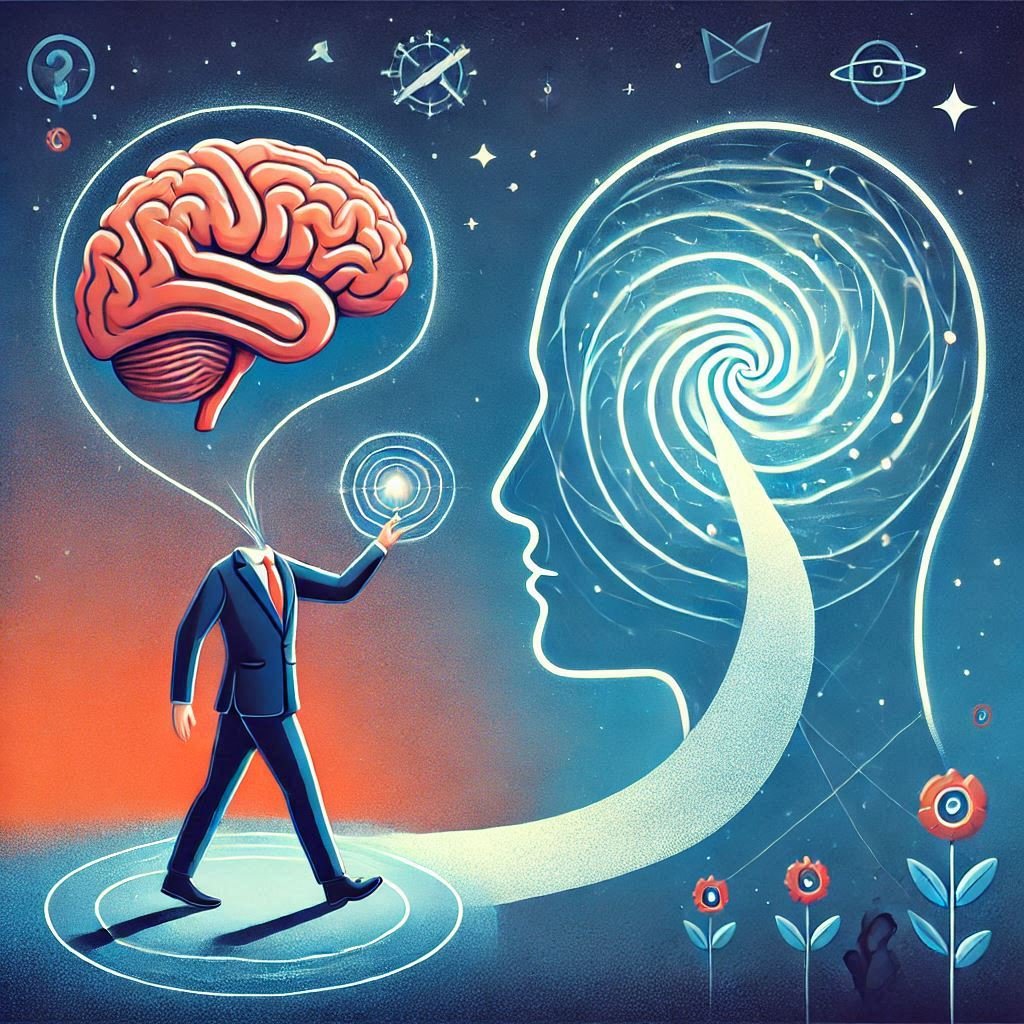
Do you get irritated when you hear an argument or opinion that doesn’t align with your beliefs? If so, then you might have cognitive bias.
Cognitive bias is a phenomenon that shapes human behavior, critical thinking, and even decision-making. While it may help process complex information, cognitive bias often leads to misunderstandings and bad decisions.
Understanding and overcoming cognitive bias is crucial for self-development. This comprehensive article will help you discover what cognitive bias truly is and how it shapes your judgments and decisions. Let’s begin.
What Are Cognitive Biases in Psychology?
So, what are cognitive biases? Cognitive bias is a term often used in open-minded psychology. It refers to errors in our thinking patterns that influence our decisions and actions. It helps us judge different situations and react to them at a relative speed.
Defining Cognitive Biases
Cognitive bias psychology refers to devising systematic patterns from logic and rationality in our judgment. These biases occur when our brain tries to simplify information. As the brain has to process a lot of complex information, this leads to errors in thinking and decision-making.
Why Do Cognitive Biases Exist?
What is cognitive bias psychology, and why does it exist? Let’s shed some light on this topic.
The world is full of complex problems, and navigating through them isn’t easy. Your brain needs to be adaptable to process all this information and experience. You may struggle to do the simplest tasks if your brain isn’t quick.
That’s why your brain creates cognitive biases to make quick decisions, saving time and mental energy. However, these biases may not always lead to the best outcome.
Types of Cognitive Bias
Cognitive bias comes in many forms. Understanding it is crucial to identifying your bias and changing your mindset.
Dunning-Kruger Effect
A person with limited knowledge often tends to think they know a lot. They overestimate their competence.
This is called the Dunning-Kruger effect. It reflects the connection between knowledge and confidence and showcases how a lack of understanding leads to unrealistic self-assessments.
For example, employees who never want to learn a new skill or knowledge may think they are brilliant and talented. Their limited knowledge has shaped their inflated belief in themselves.
Confirmation Bias
Confirmation bias is the most common. It refers to favoring information or opinions that align with your preconceived beliefs and ideas. A confirmation bias may even compel you to disregard evidence supporting your beliefs.
Anchoring Bias
Do you decide by relying on the first piece of information and considering anything else? If so, you might have an anchoring bias. When you don’t explore other information and opinions, it might lead to a bad decision you regret later.
Halo Effect
The halo effect is an interesting bias where you make an overall impression of a person based on a single trait. For example, you meet someone and find out they smoke. Now, you immediately think the person is bad because of this attribute.
Cognitive Bias Examples
You will notice countless examples of cognitive bias in your everyday life. Realizing these examples is crucial, as it can help you identify your bias in certain situations and open your mindset.
Real-Life Examples of Cognitive Bias
You have already understood the different types of cognitive bias. Let’s examine some real-life examples of these biases.
- Dunning-Kruger Effect: A beginner employee may think they are a big deal. They may overestimate their skills and knowledge. But in reality, they still have a long way to go.
- Confirmation Bias: There is a lot of different news in a newspaper. When you have confirmation bias, you may ignore the news that opposes your opinions and perspectives.
- Anchoring Bias: You may be wandering in a supermarket. You suddenly see an attractive product and decide to buy it. There may be better options available. Your decision based on the anchor is indicative of bias. This kind of bias, which influences your judgment based on attention, is also called attentional bias.
Impact of Cognitive Bias on Everyday Decisions
Cognitive bias helps you navigate through different situations in life. These influences are subtle but powerful. For example, they can help you recognize the right people to trust.
Cognitive bias can also allow you to make fast decisions in a complex situation. When offered different options, they can help you make the right choice.
Case Studies Demonstrating Cognitive Bias
One of the most intriguing case studies of cognitive bias is the framing effect, a study of how our minds favor of how our minds favor specific numbers.
In healthcare, patients are most likely to choose a treatment described as having a 90% survival rate compared to a 10% mortality rate. This is a cognitive bias that influences them to choose the treatment with the higher percentage.
Cognitive Biases in Decision-Making
Cognitive biases help us judge a wide range of opinions and perspectives. They may lead to fast decisions. But they can also lead to flawed outcomes.
How Cognitive Biases Affect Choices
Your preconceived beliefs influence your choices. These biases may lead to decisions that stray from any logic or rationale. While they may sometimes help you make the right choice, they can often lead to regretful decisions.
Examples of Decision-Making Biases
Cognitive biases often influence our everyday decisions. For example, you may have had rough breakups in the past. This may influence you to struggle while initiating conversations or making relationships. Another example can be believing an event is predictable after it has happened.
Strategies to Mitigate Biases in Decisions
One of the best ways to mitigate decision biases is to delay immediate judgments. Before making a decision, try to explore different perspectives. Critically think about which decision would be right for the situation. These strategies reduce cognitive bias and help you harness the power of your mind.
Cognitive Bias Effects
Cognitive bias has a diverse range of effects in many areas of life. Realizing them can help you prevent having a cognitive bias. Remember that open-mindedness is the prerequisite of success. Cognitive bias works only as a hindrance.
Impact on Personal Relationships
You may have had a lack of open-mindedness in relationships where you had to endure a lot of abuse. This traumatic experience may have left a scar on you that doesn’t allow you to respect others’ opinions. This kind of experience may compel you to judge people harshly, leading to conflicts in a relationship.
Effects on Professional Environments
Cognitive bias hinders innovation and creativity. In a professional environment, collaboration is the key to success. Sharing ideas and working as a single force can drive the company forward. When you have cognitive bias, you will disregard others’ opinions. That’s why you need open-minded leadership to shine in any professional environment.
Influence on Social Perceptions
Biases can also lead to negative social perceptions. Stereotyping, a cognitive bias, can lead to inequality and misconceptions, affecting a society’s harmony and peace.
Biases in Critical Thinking
Critical thinking is crucial for solving problems in everyday life. Cognitive bias plays a role in it as well. When you have cognitive bias, you may only prioritize logic and rationales that align with your existing beliefs. It often becomes a hindrance to critical thinking.
Identifying Bias in Arguments
If you have a bias, you will often get emotional when something doesn’t align with your beliefs. You may also give illogical reasoning and accept opinions without any support. These are all traits of biases in arguments.
How Biases Hinder Critical Thinking
Biases can make you emphasize emotion or intuition instead of evidence or logic. This leads to weak arguments and wrong decisions. When you put aside your biases, you can analyze situations more objectively. You will have strong arguments and can easily navigate through problems.
Cognitive Bias and Heuristics
You have to process a lot of information in everyday life. You need to take shortcuts to make quick decisions and solve problems in certain situations. The availability heuristic may help you achieve this. But they often lead to cognitive bias.
Understanding Heuristics
As we mentioned, heuristics are mental shortcuts used to simplify information to react quickly. If you spend much time on information processing, you will struggle to do the simplest tasks. So, heuristics can be perceived as a necessary evil.
Relationship Between Bias and Heuristics
When you rely heavily on heuristics, cognitive biases may arise. Taking shortcuts or overestimating certain things may be helpful in certain cases, but in many cases, they can lead to wrong decisions.
How to Overcome Cognitive Biases
Becoming flexible to different opinions isn’t achieved in a day. First, you need to acknowledge that you have cognitive bias. Realize the concept of open-minded vs. close-minded. Then, consistently work on overcoming your biases to change your mindset.
Awareness and Acknowledgment
Without recognizing that you have cognitive biases, you will never be able to overcome them. Try to acknowledge the type of bias you have. Practicing journalism can be a great way.
Techniques for Reducing Bias
Practice mindfulness. Reflective thinking can help you identify and challenge biases. Try to engage in different situations and conversations. This can help you cultivate an open mind. Seeking feedback from others is also a great technique, as you gain a wide range of perspectives.
Encouraging Open-Mindedness
Open-mindedness refers to being receptive to various behavioral ideas and opinions. When you explore different opinions, you tend to make better decisions. You achieve improved cognition.
Engaging in various situations and considering views and perspectives different from yours can be an excellent way to mitigate the influence of cognitive bias. So, open-mindedness is essential to clear your mind and help you make the right choice without prioritizing emotion. Realizing such open-minded examples can help you overcome cognitive biases. That’s why you should recognize what open-mindedness means.
Final Thoughts
People worldwide struggle to make the right decisions. Cognitive bias plays a role in this. It can be a significant hindrance to personal and professional development.
Recognizing and overcoming these biases makes better choices and improves your understanding of human behavior. You form stronger relationships and gradually develop yourself. So, overcome your cognitive bias today and witness how it twists your reality for the better.